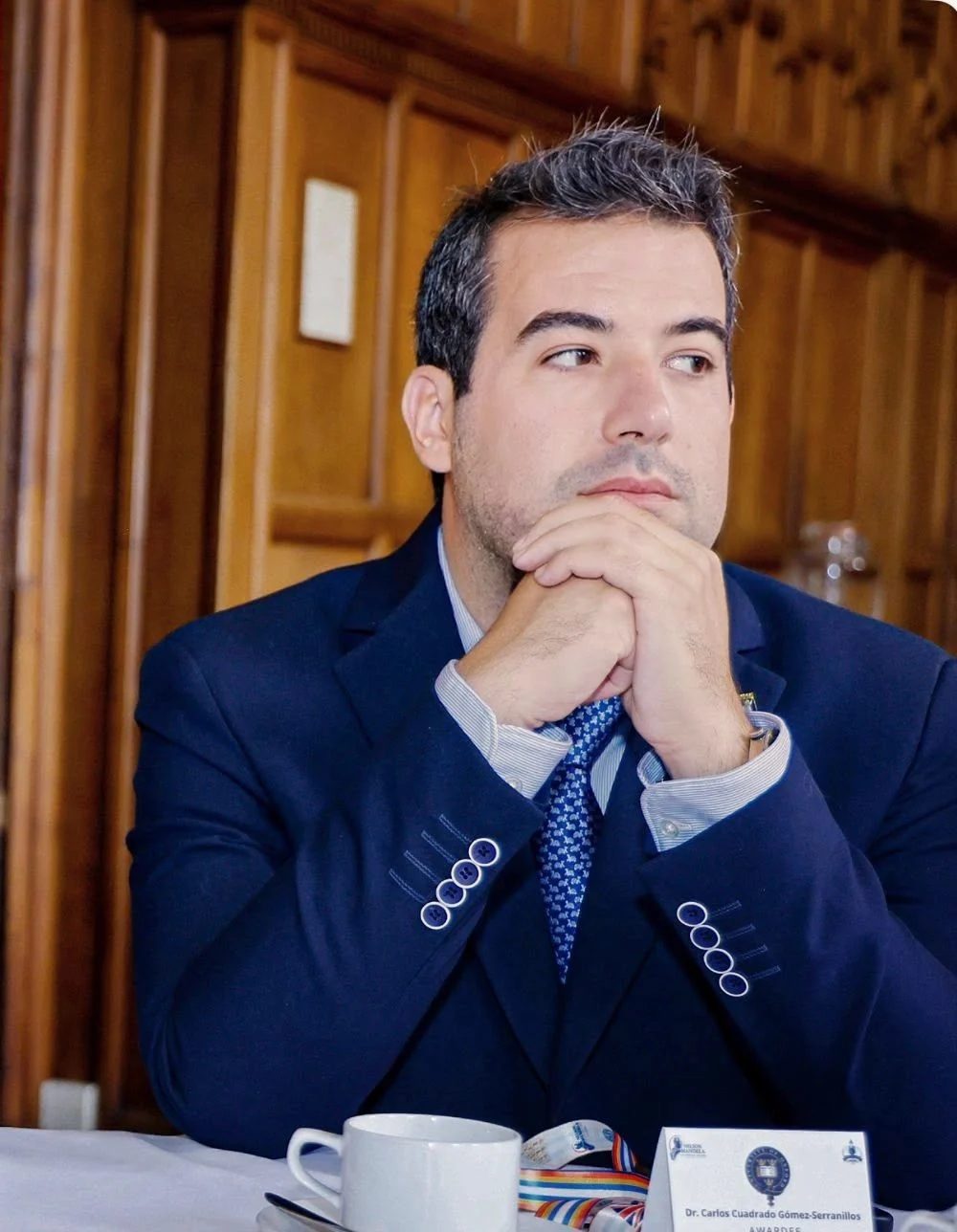
Defending a criminal case requires an understanding of what is alleged against each person, the evidence supporting the prosecution and the questions that call for a response from the defence. My work as a lawyer combines that legal examination with an education in medicine, psychology and criminology, allowing a closer study of the technical documents in the proceedings.
This background is particularly useful where a case includes post-mortem reports, injury reports, psychological assessments, toxicological analyses or communications whose meaning is disputed. The aim is to turn knowledge of these subjects into defence decisions: what to investigate, which documents to compare and which questions need to be answered during the investigation and trial.
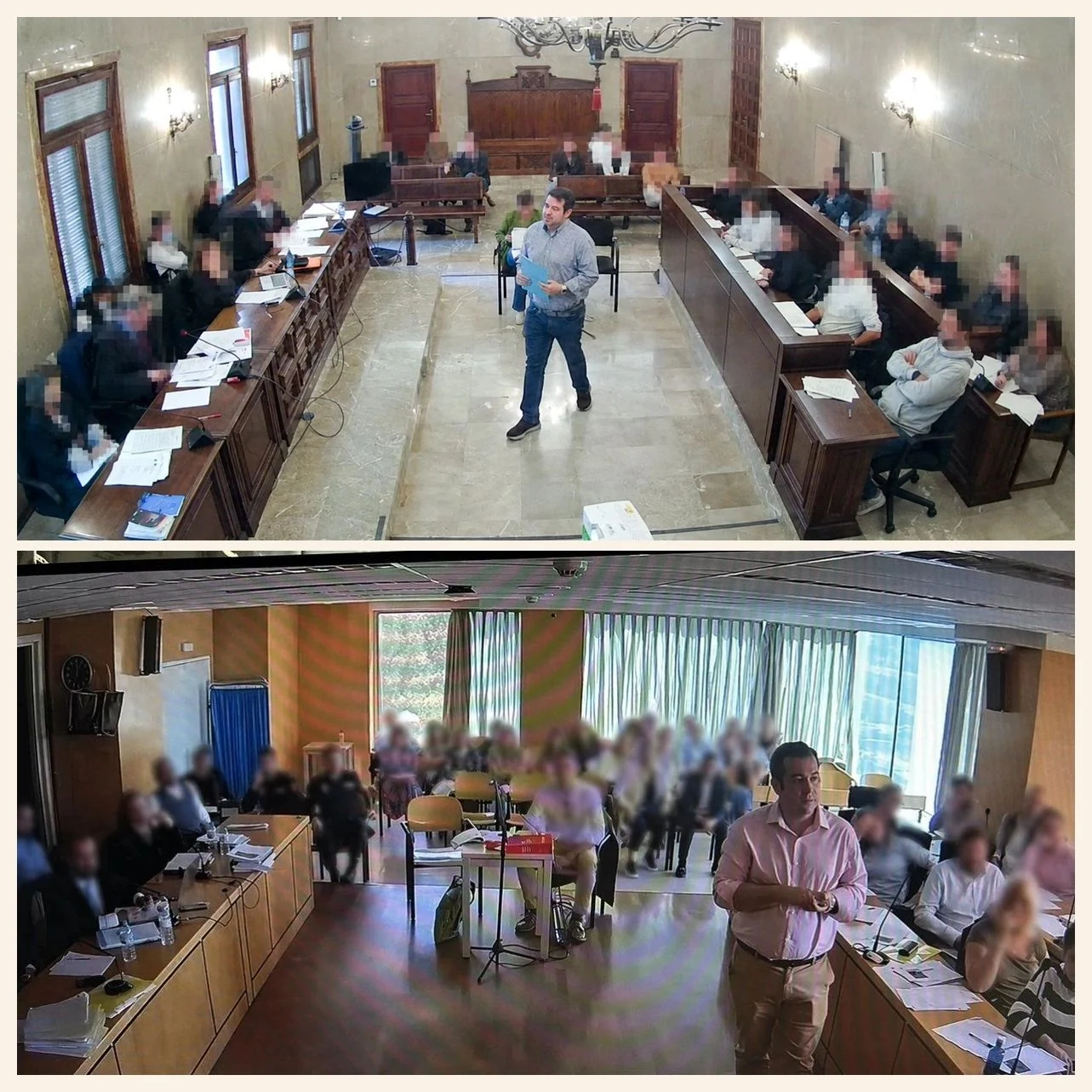
Expert-witness appearances in jury proceedings.
Legal practice and conduct of the defence
Representation is organised around the client's position in the proceedings and the decisions their case requires.
Lawyer registered with the Madrid Bar Association
Registered with ICAM under number 140625, with legal education and training for admission to legal practice at Universidad Isabel I. The service includes examination of the case file and preparation of the defence within the agreed scope of the engagement.
An individual strategy for each person under investigation
In proceedings involving several people, the conduct attributed to the client, the evidence supporting it and its context are examined separately. This distinction guides the document review, the investigative steps considered and the preparation of questions for witnesses.
Medical education to understand evidence concerning the body
Medical reports may raise decisive questions about injury mechanisms, causation, substances and lasting effects.
Medicine and Surgery
Qualification in Medicine and Surgery legalised in Spain. This academic foundation helps in examining the terminology and reasoning in medical reports, identifying the findings they describe and preparing questions for their authors to clarify.
Assessment of bodily injury and toxicology
Master's in Assessment of Bodily Injury and Medical Expert Evidence from the University of Barcelona and Master's in Emergency Toxicology from CEU University. Education related to the study of injuries, lasting effects, substance analysis and the consequences attributed to an incident.
Psychology, memory and forensic assessments
Understanding a psychological assessment requires an examination of its sources, instruments, findings and relationship to the questions raised in the proceedings.
Psychology and forensic psychology
Education in Psychology with a specialisation in Criminology at Universidad Isabel I and a Master's in Forensic Psychology and Psychological Expert Evidence from Universidad Europea Miguel de Cervantes. This provides a basis for examining the methods used in reports and formulating questions about their conclusions.
Mental health and neuropsychology
University Master's in Introduction to Mental Health Research from the Complutense University of Madrid and Master's in Neuropsychology from Universidad Rey Juan Carlos. This education supports an understanding of technical language concerning cognitive processes, psychological functioning and mental health records.
Legal psychology
Master's in Legal Psychology and Criminology from Universidad Rey Juan Carlos. This perspective helps to place assessments in their judicial context and distinguish the information obtained from the interpretations proposed.
Criminology and investigation of the facts
An investigation brings together different sources that need to be examined as a whole, while retaining the provenance and scope of each one.
Crime scene investigation and forensic science
Education in Criminology with a specialisation in Crime Scene Investigation at Universidad Isabel I and a Master's in Research in Criminology and Forensic Sciences from Universidad Europea Miguel de Cervantes. Its application centres on chronologies, traces and reconstructions.
Forensic linguistics
Diploma in Forensic Linguistics from California University of Pennsylvania. This education is relevant to examining communications, ambiguous expressions and interpretations of meaning, with attention to the full context of messages or conversations.
Courtroom expert evidence and teaching experience
Understanding a technical question also requires the ability to explain it and answer the questions it raises.
Expert evidence before the Spanish jury court
His professional background includes appearing as an expert witness in proceedings before the Spanish jury court. That experience provides a perspective on presenting forensic material and the need to connect each explanation with the facts to be assessed.
University teaching
Previous teaching in Legal and Forensic Medicine at Universidad Francisco de Vitoria and on the Official Master's in Forensic Psychology at Universidad Isabel I. This experience concerns the organisation and explanation of medical and psychological subjects.
International education and professional memberships
Additional education broadens the perspectives from which behaviour, evidence and decision making are examined.
University of Cambridge
Courses in The Neuropsychology of Decision Making and Introduction to Cognitive Psychology and Neuropsychology. These cover cognitive processes and decision making, helping to understand the terminology and questions raised in assessments concerning these subjects.
Harvard University
Courses in Human Anatomy: Musculoskeletal Cases and Justice. Additional education in musculoskeletal anatomy and reasoning about justice, forming part of a background that brings together the study of the body, behaviour and legal decisions.
Professional societies
Fellow of the Royal Society of Medicine; Graduate Member of the British Psychological Society and general member of its Division of Forensic Psychology; Associate Member of the Cambridge University Criminology Society and individual member of the European Expertise and Expert Institute.