Carlos Cuadrado
Gómez-SerranillosLaw & Forensic Sciences
Madrid · Cases throughout Spain

Homicide and murder defence lawyer in Madrid

An investigation into a violent death requires close examination of how the events have been reconstructed and what evidence links each person to the outcome. Carlos Cuadrado Gómez-Serranillos provides criminal defence in homicide and murder proceedings under Spanish law, with attention to the sequence of events, medical and forensic evidence, and the procedural decisions required during the investigation. Preparation begins with the case file and the client's individual circumstances.

Discuss my case
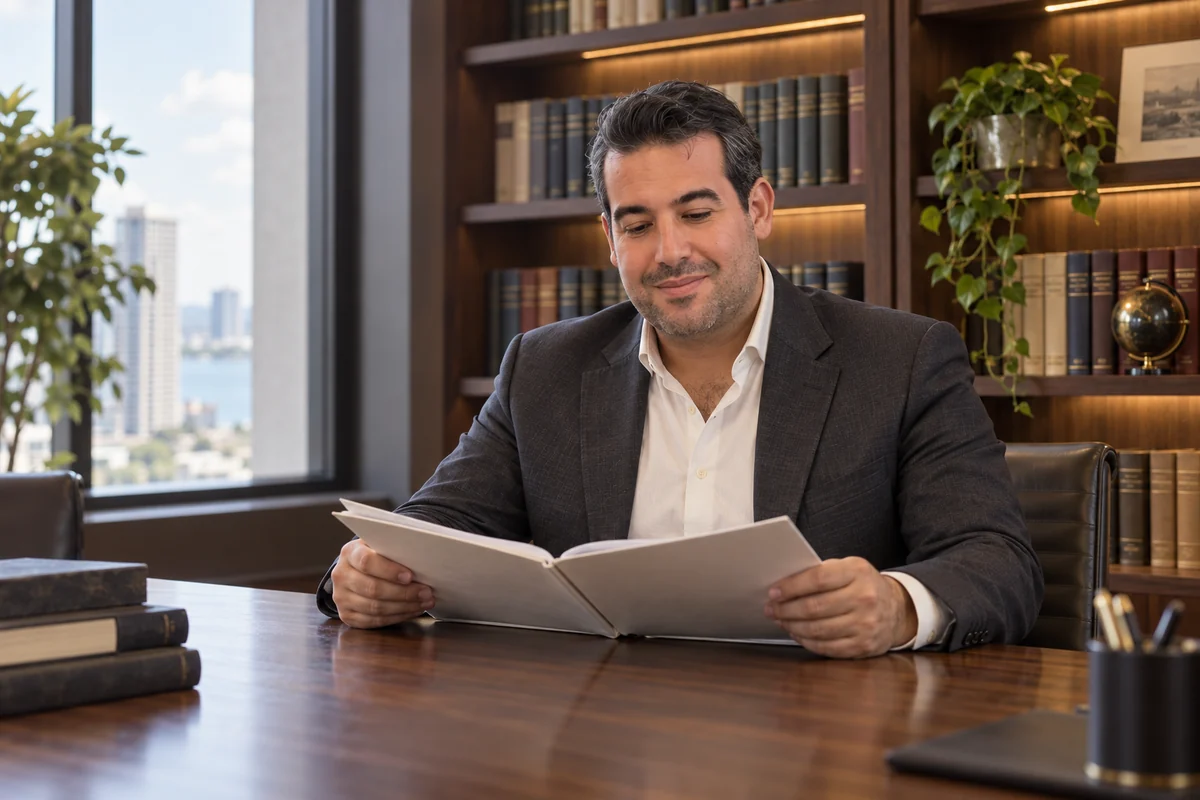
Carlos Cuadrado Gómez-Serranillos · Criminal defence lawyer in Madrid · Editorial composition
Editorial composition
Criminal defence in Spain

Reconstructing the events to prepare the defence

The work begins by organising the case file and testing the prosecution's account against the available material. Statements, recordings, communications, scene examinations and forensic medical records are considered within a single chronology. The aim is to establish what each item contributes, how it was obtained and which questions remain open, so that appropriate investigative steps can be requested and a defence position developed from the case material.

The distinction between homicide and murder under Spanish law requires an assessment of the facts and the circumstances supporting the legal classification. The alleged involvement, intent, relationship between conduct and outcome, and relevant personal circumstances are also examined. The strategy covers decisions during the investigation, interim measures and trial preparation, including representation before a jury where applicable.

The initial meetings establish which court decision the client has received, whether they remain in custody or on remand, and which investigative steps are pending. Planning distinguishes immediate action from a full examination of the evidence: an upcoming statement, an application for release and preparation of an expert report require different work. The engagement defines the stages covered, how the client will be kept informed and what involvement from other professionals may be needed. This organisation makes it possible to address a substantial case while keeping the next decisions in view.

Post-mortem findings and cause of death

Legal review of post-mortem reports and supplementary examinations to identify the conclusions they support and the points requiring clarification. Where an expert report commissioned by the defence is appropriate, its scope is defined and questions are prepared for the professional who will explain the findings.

The scene and the timeline

Comparison of scene findings, images, movements and statements. The work examines the chronology and whether the different accounts are consistent with the available information, with particular attention to the location and actions attributed to each person under investigation.

Responsibility and involvement

Separate examination of the evidence linking the client to the events and the extent of that connection. Identification evidence, specific alleged acts and the prosecution's inferences are assessed to prepare the issues that need to be addressed during the proceedings.

Trial preparation

Organisation of documents, witness questions and expert evidence to present the defence clearly. Preparation includes examining disputed facts and the legal alternatives available on the case material, with clear communication to the client about the decisions they need to consider.

Criminal defence and forensic sciences

Medical and criminological knowledge to examine the evidence

Carlos Cuadrado Gómez-Serranillos's education provides tools for understanding records concerning a violent death and turning technical questions into specific lines of enquiry for the defence.

Medicine and assessment of bodily injury

Medicine and Surgery, with a qualification legalised in Spain, and a Master's in Assessment of Bodily Injury and Medical Expert Evidence from the University of Barcelona. This education informs the reading of anatomical findings, injury mechanisms and medico-legal explanations.

Qualifications and professional background

Scene investigation

Degree in Criminology, with a specialisation in Crime Scene Investigation, from Universidad Isabel I, and master's education in criminological research and forensic sciences at UEMC. A basis for examining scenes, chronologies and relationships between items of evidence.

Qualifications and professional background

Explaining technical matters in court

His background includes appearances as an expert witness in jury proceedings and previous teaching in Legal and Forensic Medicine at Universidad Francisco de Vitoria. That experience concerns the presentation and discussion of matters involving expert evidence.

Qualifications and professional background

Within the defence engagement, this knowledge helps to prepare the strategy and questions for witnesses. A report commissioned by a party is arranged as an independent expert engagement.

Illustrative example

Hypothetical example: a chronology that needs to be checked

In an illustrative scenario, a statement places the person under investigation at the scene of a death during a particular period, while a camera records their movements and the post-mortem report provides an estimate of timing. The defence would organise the times, check the source of each reference and ask the expert about the scope of that estimate. The work involves testing the allegation against its documentary and technical support.

Before we begin

Frequently asked questions

Do homicide and murder mean the same thing under Spanish law?

They are different legal classifications. Article 139 of the Spanish Criminal Code provides for murder where certain circumstances are present, such as alevosía, involving means that prevent the victim from defending themselves, or ensañamiento, involving the deliberate and inhuman increase of suffering. The defence examines the specific facts relied on to support that classification and their basis in the case file, without treating the classification as established at the outset.

Are all these cases tried by a jury?

Jurisdiction depends on the rules of the Spanish Jury Act. Articles 1 and 5 cover the relevant offences under Articles 138 to 140 of the Criminal Code and require the offence to have been completed in this context. Attempts and connections with other offences require a separate assessment.

Can you become involved in a case that already has a lawyer?

A possible involvement can be assessed. The initial review identifies the stage, deadlines and volume of case material, and establishes whether a second opinion or a change of legal representation is being requested. Before the defence is taken on, arrangements are made for the transfer of the case file and the necessary professional coordination, with a defined scope of work and agreed fees.

Can an application for release be made if the client is on remand?

The engagement may include examination of the court decision and preparation of applications or appeals. The legal requirements for the measure, the reasons given and the client's current circumstances are examined under Articles 503, 504 and 539 of the Spanish Criminal Procedure Act. Whether an application can be made and the grounds supporting it must be assessed against the available case material.

Professional consultation

Let’s discuss
what is at stake.

Discuss my case