Carlos Cuadrado
Gómez-SerranillosLaw & Forensic Sciences
Madrid · Cases throughout Spain

Jury trial defence lawyer in Madrid

Preparing a case for a jury requires the facts to be organised and the contribution of each piece of evidence to be explained in relation to the questions to be decided. Carlos Cuadrado Gómez-Serranillos provides criminal defence in these proceedings, with attention to the account of events, witness questioning and the presentation of technical evidence. The work extends from examination of the case file to trial preparation, according to the stage at which the engagement is agreed.

Discuss my case
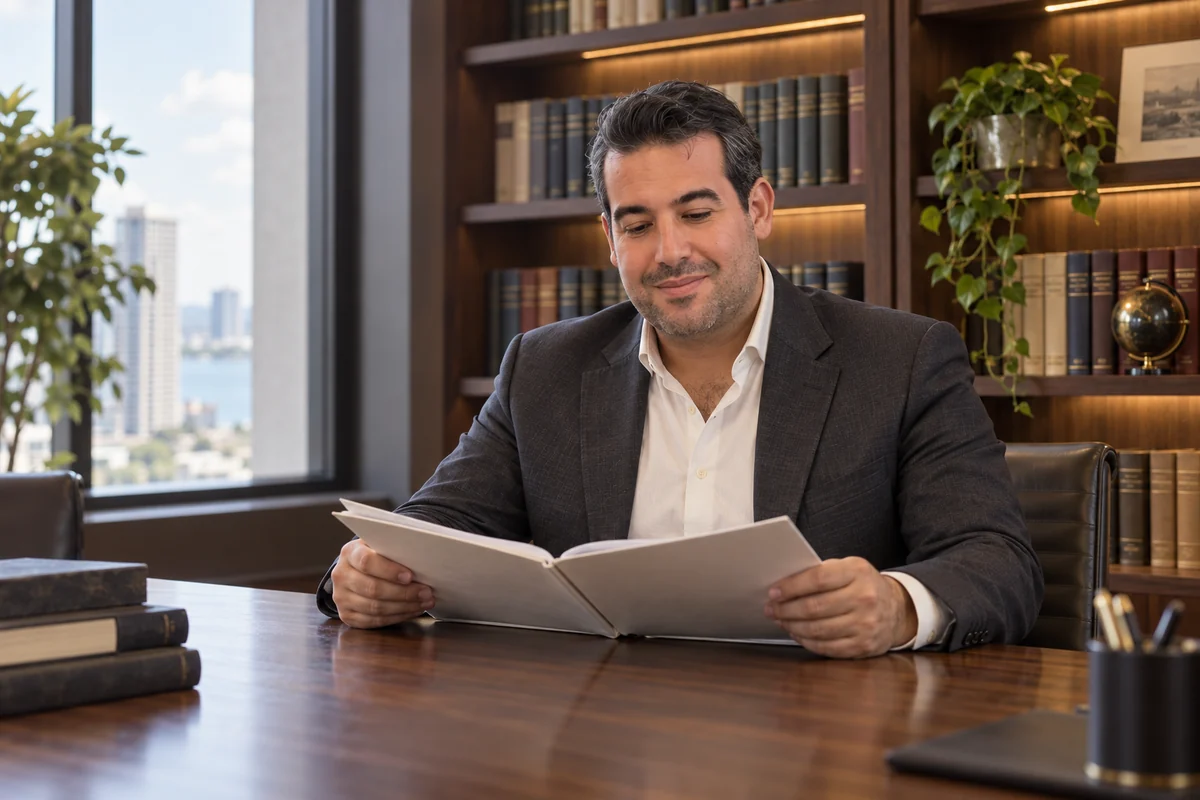
Carlos Cuadrado Gómez-Serranillos · Criminal defence lawyer in Madrid · Editorial composition
Editorial composition
Criminal defence in Spain

A clear explanation grounded in the case material

Preparation starts by identifying disputed facts and the material supporting or challenging each assertion. A chronology is developed, documents are organised and the purpose of witness questioning is defined. This work enables the defence position to be presented in an organised way and prepares the explanation of medical, psychological or forensic reports while keeping the specific question to be decided in view.

Legal representation also requires an understanding of the structure of the proceedings and preparation of submissions on the questions to be put to the jury. Decisions are based on the case file and available procedural steps, with their purpose explained to the client. Following the court's decision, the engagement may include a review of grounds for challenge and applicable deadlines, according to the case material and the agreed scope of the work.

Organising the trial requires decisions about which document accompanies each explanation, which questions should be addressed with each witness and which should be reserved for the expert who examined them. Questioning is prepared around specific points, and closing submissions are organised around the disputed facts. Preparation also addresses how chronologies and references to the case file will be presented, to make the evidence easier to follow and ensure technical explanations remain connected to the matters to be decided.

Facts to be determined

Organisation of the assertions relevant to the client's position and the documents relating to each one. The work distinguishes facts, inferences and alternative explanations to prepare a presentation that shows how the defence is supported throughout the trial.

Questioning and challenging evidence

Preparation of questions for witnesses and experts in line with the disputed issues in the case. The work seeks to establish what each person knows, the basis for their assertions and the clarification needed to assess the scope of their evidence or report.

Explaining technical evidence

Examination of reports to organise their findings and prepare the issues requiring clarification at trial. The legal presentation draws on the expert reports and preserves the role of the professional responsible for explaining their methods, results and conclusions.

Verdict, judgment and appeals

Preparation of submissions concerning the questions put to the jury and review of decisions made during the proceedings. Once issued, those decisions are examined to assess possible grounds for challenge and the steps required within the applicable deadlines.

Criminal defence and forensic sciences

Courtroom expert experience and education concerning evidence

Carlos Cuadrado Gómez-Serranillos's background includes expert work before the Spanish jury court, teaching and education in forensic sciences. In a case involving technical evidence, the legal work must identify what needs clarification and how to present it clearly during the trial.

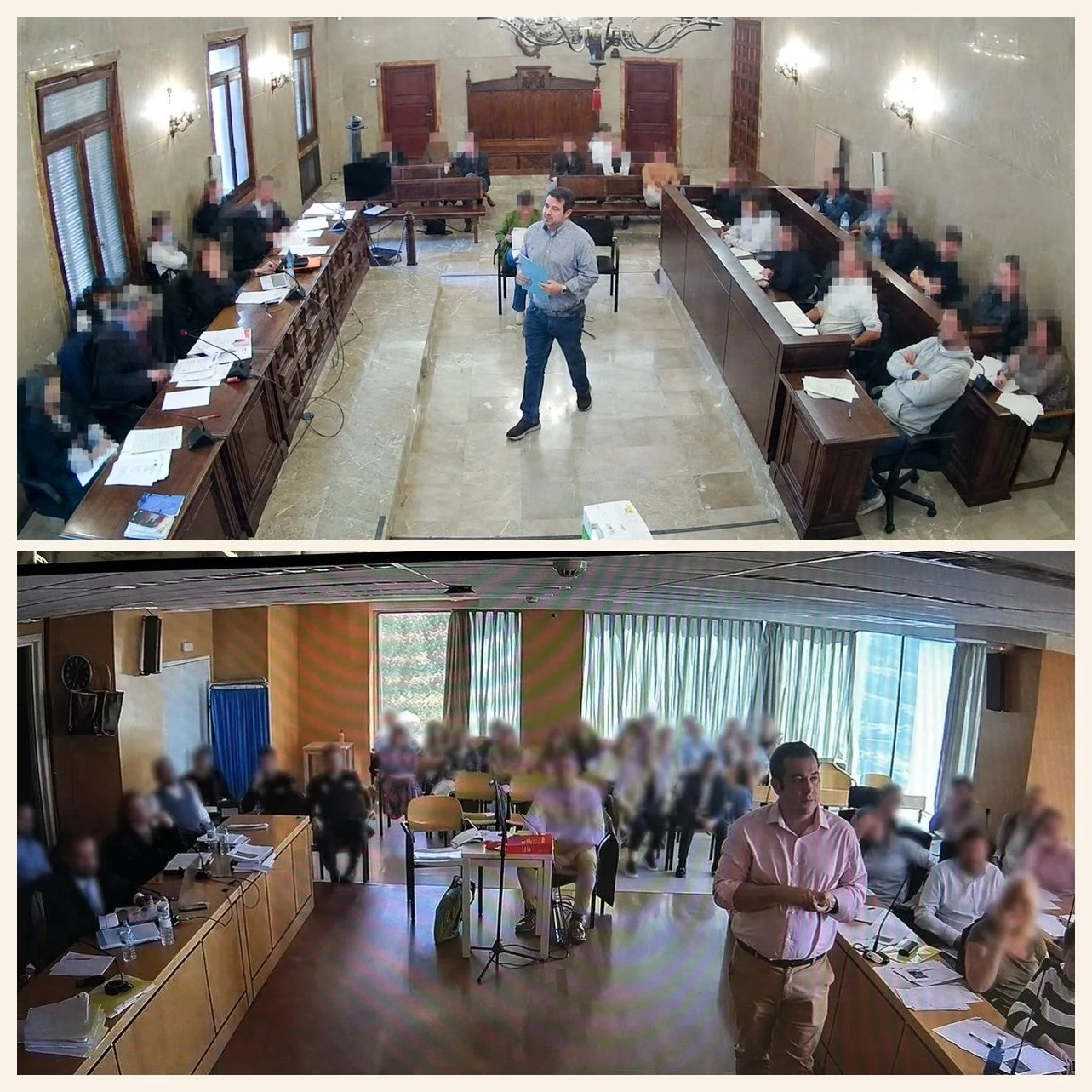
Appearances as an expert witness before a jury

The professional profile records appearances as an expert witness in jury proceedings. This is experience as an expert witness, involving the presentation of the report and answers to questions about its basis during the hearing.

Qualifications and professional background

Previous university teaching

His teaching background includes Legal and Forensic Medicine at Universidad Francisco de Vitoria and the Official Master's in Forensic Psychology at Universidad Isabel I. This work concerns explaining technical concepts and organising their presentation.

Qualifications and professional background

Understanding evidence and decisions

Education in criminological research and forensic sciences at UEMC, together with the 2026 Cambridge programmes in cognitive psychology and decision making, provides perspectives for examining reports and preparing their explanation.

Qualifications and professional background

Legal representation is defined through a legal engagement. Expert experience contributes knowledge of evidence and its presentation, while respecting the role of each report's authors.

Expert-witness appearances in jury proceedings.
Illustrative example

Hypothetical example: from a technical report to questions

In an illustrative scenario, two reports offer different explanations for the same finding. Before trial, the defence would identify whether the disagreement concerns the information examined, the method or the interpretation. Questions would then be prepared for each professional to explain that point, and their answers would be related to the facts to be decided.

Before we begin

Frequently asked questions

Which cases may fall within the jurisdiction of a Spanish jury court?

Jurisdiction is defined by Organic Law 5/1995. Article 1 lists the offences assigned to this court, and Article 5 sets out additional rules. Before the defence is defined, the facts, their legal classification, whether the offence was completed or attempted, and any connection with other offences are examined.

Does the jury determine the sentence?

Spanish law distinguishes the functions of the jury and the presiding judge. The jury delivers its verdict as provided by law; the presiding judge gives judgment and, where applicable, imposes the sentence or measure. Defence preparation addresses both stages and their respective issues.

Can the defence be taken on once a trial date has been set?

Possible involvement requires knowledge of the date, access to the case file and an assessment of the preparation still outstanding. The parties' written submissions, the evidence admitted and relevant procedural decisions are examined before the engagement is agreed. The assessment allows the work to be organised and the possible scope of representation to be explained to the client, without assuming that a change of lawyer will alter the trial date.

Does the engagement include an appeal against the judgment?

The scope must be defined when the engagement is agreed. It may cover only certain stages or include examination of the judgment and a possible challenge. Grounds and procedural steps are assessed against the decision and what occurred during the proceedings. If an appeal was not included, an additional engagement is agreed, specifying the work, terms and deadlines.

Professional consultation

Let’s discuss
what is at stake.

Discuss my case